Understanding the Difference Between Asphalt Repair and Replacement in Chicago
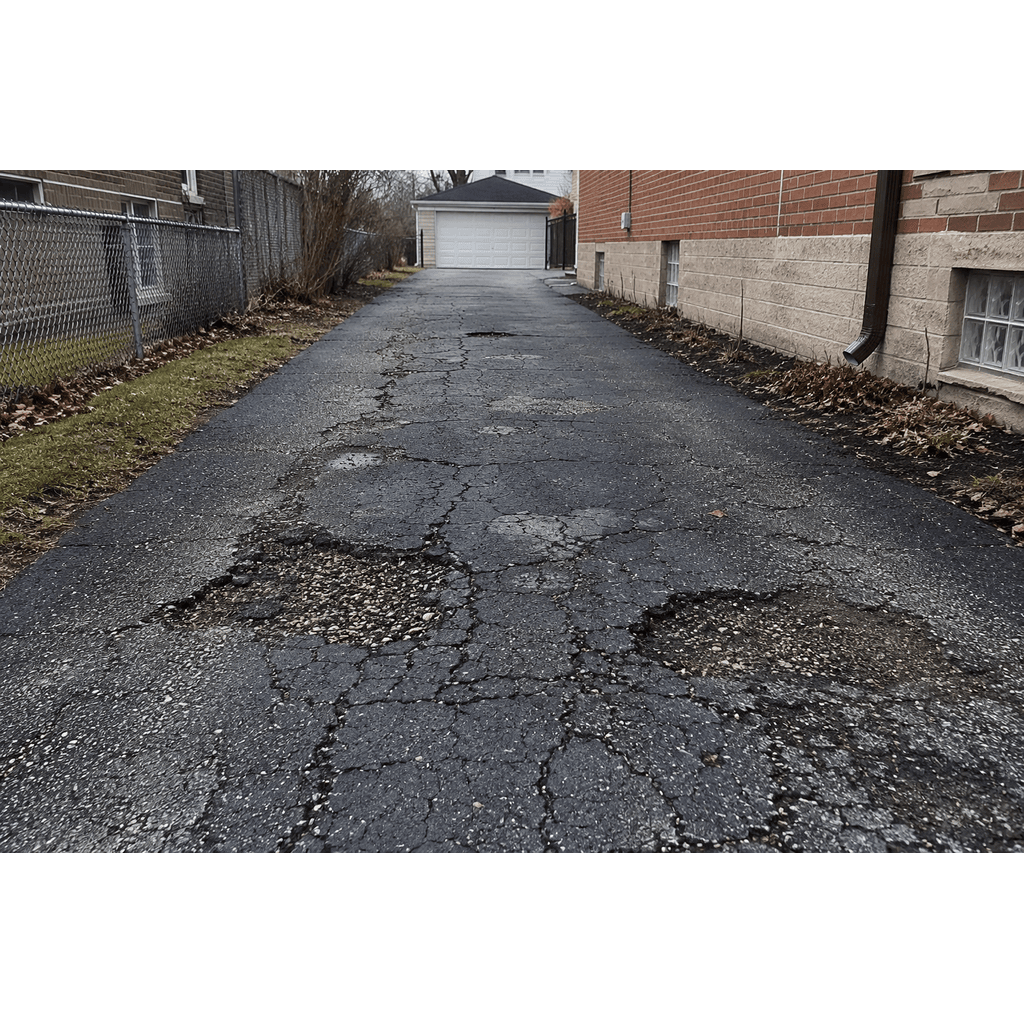
Asphalt surfaces throughout Chicago experience constant exposure to changing weather conditions, heavy traffic, moisture, and seasonal temperature shifts. Over time, driveways, parking lots, private roads, and commercial paved surfaces naturally begin to develop cracks, potholes, uneven areas, and structural wear. When these problems appear, property owners are often faced with an important decision: should the asphalt be repaired or completely replaced?
Understanding the difference between asphalt repair and asphalt replacement can help homeowners and business owners make better long-term decisions while protecting the value, appearance, and durability of their paved surfaces.
What Asphalt Repair Means?
Asphalt repair focuses on correcting isolated surface problems without removing the entire pavement structure. Repairs are commonly used when the majority of the asphalt remains stable and structurally sound but smaller damaged areas have started to appear.
In many Chicago properties, asphalt repair may involve fixing surface cracks, patching potholes, correcting drainage concerns, or restoring worn sections caused by seasonal freeze-thaw cycles. Because Chicago winters and summer temperature fluctuations place heavy stress on pavement materials, minor damage can gradually expand if repairs are delayed.
Professional asphalt repair helps prevent moisture from penetrating beneath the surface where additional structural deterioration can develop. Addressing smaller issues early often extends the lifespan of existing pavement while reducing future maintenance costs.
When Asphalt Repair Is Usually Recommended?
Repair is often the best option when asphalt damage remains limited to smaller sections of the pavement. Surfaces that still maintain strong structural integrity but show moderate wear can usually benefit from targeted repairs rather than complete reconstruction.
Property owners often choose asphalt repair when cracking is minimal, potholes are isolated, drainage problems are manageable, and the foundation beneath the pavement remains stable. Surface repairs are also commonly recommended when pavement damage has not yet spread across large portions of the property.
In Chicago, early asphalt repair becomes especially important after winter because freeze-thaw cycles can rapidly expand small cracks into larger structural problems during spring and summer.
What Asphalt Replacement Means?
Asphalt replacement involves removing and rebuilding significant portions of the pavement system. Unlike repair work, replacement addresses deeper structural failure that cannot be corrected through patching or surface restoration alone.
Complete asphalt replacement is often necessary when pavement has widespread cracking, severe pothole formation, foundation instability, drainage failure, or advanced deterioration affecting large sections of the surface. In many cases, older asphalt surfaces eventually weaken beyond the point where repairs can provide reliable long-term performance.
Replacement projects typically involve removing damaged asphalt layers, evaluating the base foundation, correcting grading or drainage issues, and installing entirely new asphalt material designed for long-term durability.
Signs Asphalt Replacement May Be Necessary
Certain pavement conditions usually indicate that replacement may be more cost-effective than repeated repairs. Large interconnected cracks, major surface sinking, widespread potholes, severe water damage, and uneven pavement often suggest deeper structural problems beneath the surface.
When asphalt deterioration becomes extensive across the majority of a driveway or parking lot, ongoing repairs may only provide temporary improvement. Replacing the pavement entirely often creates a more durable and visually consistent solution while reducing recurring maintenance expenses.
Older asphalt surfaces throughout Chicago frequently experience accelerated deterioration because of years of exposure to snow, ice, road salt, heavy rainfall, and summer heat.
Cost Differences Between Repair and Replacement
Asphalt repair is generally less expensive upfront because it focuses only on damaged areas rather than rebuilding the entire surface. Many property owners choose repairs as a cost-effective short-term solution when pavement problems remain limited.
However, replacement may provide better long-term value when asphalt deterioration becomes widespread. Repeated repairs on severely damaged pavement can eventually become more expensive than installing a completely new surface.
Professional asphalt contractors often evaluate the overall condition, age, structural integrity, and long-term maintenance needs of the pavement before recommending the most practical option.
Appearance and Long-Term Performance
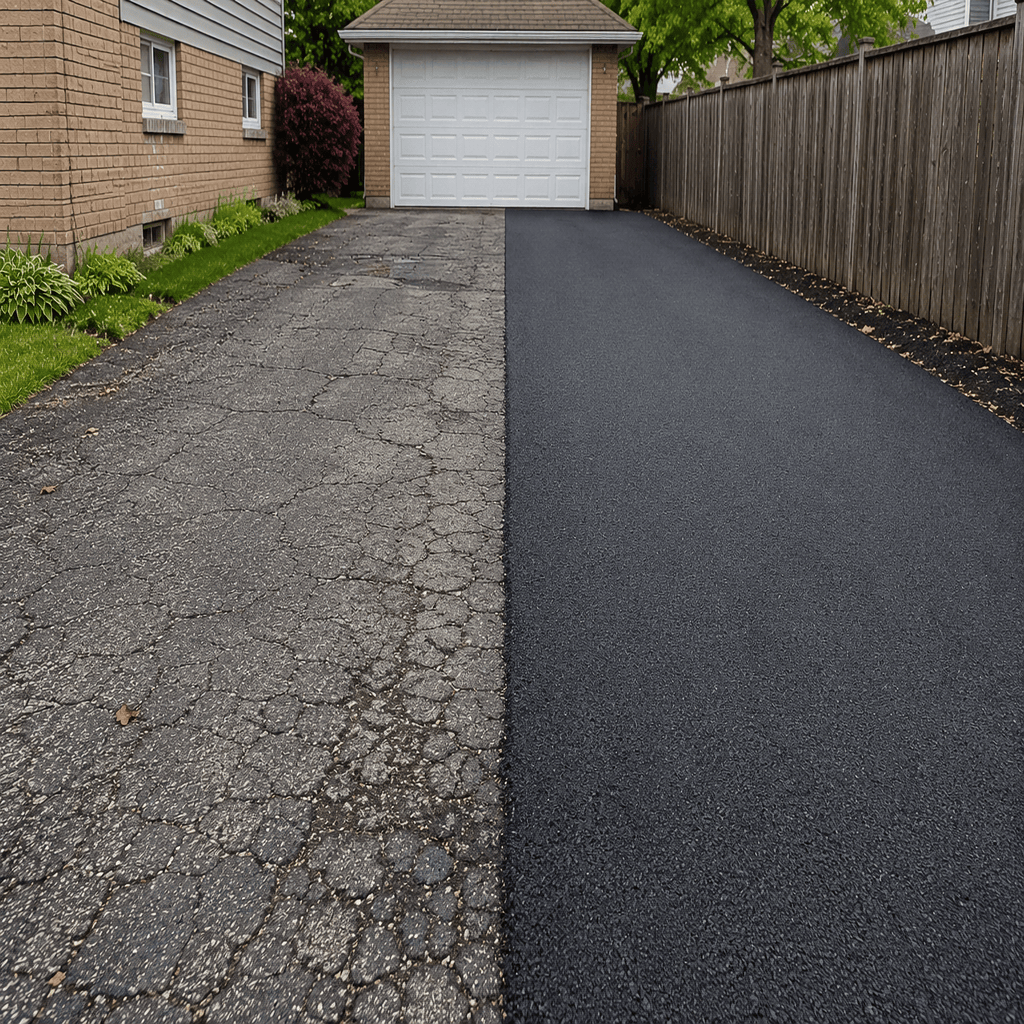
One major difference between asphalt repair and replacement involves appearance consistency and lifespan. Repaired areas may sometimes differ slightly in color or texture compared to older surrounding pavement because new asphalt materials naturally appear darker and smoother.
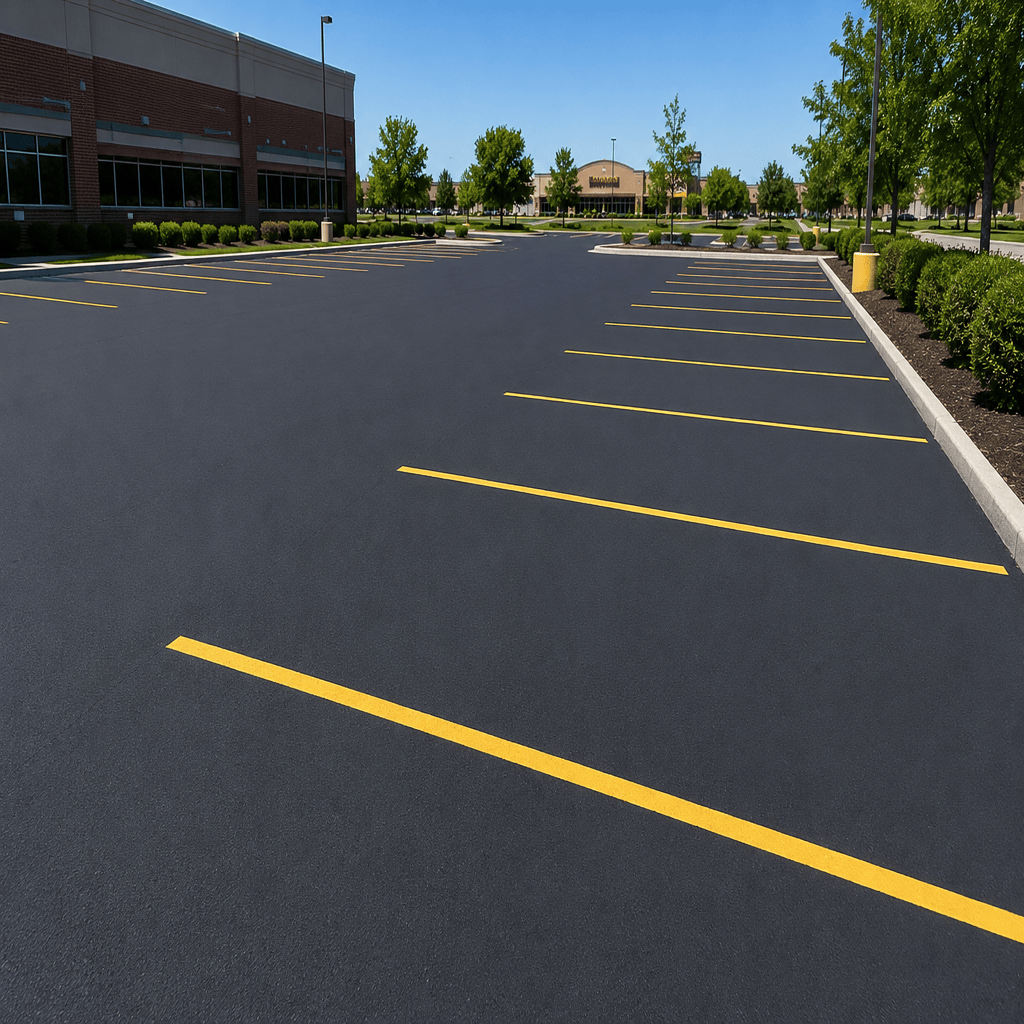
Full asphalt replacement creates a completely uniform surface with improved structural performance and a fresh appearance throughout the property. Replacement also allows contractors to address hidden foundational issues that may continue causing future pavement damage if left unresolved.
For commercial properties in Chicago, appearance often plays an important role because parking lots and paved entrances contribute significantly to curb appeal and customer impressions.
Why Professional Asphalt Evaluation Matters?
Every asphalt surface deteriorates differently depending on traffic volume, drainage conditions, weather exposure, and maintenance history. Professional asphalt contractors can determine whether repair or replacement provides the best long-term solution based on the condition of the pavement.
Experienced paving professionals evaluate cracking patterns, structural stability, water drainage, sub-base condition, and overall pavement wear before making recommendations. Accurate assessment helps property owners avoid unnecessary expenses while ensuring safer and longer-lasting paved surfaces.
Protect Your Asphalt Investment in Chicago
Whether dealing with minor pavement damage or major structural deterioration, understanding the difference between asphalt repair and replacement helps property owners make informed maintenance decisions. Chicago weather conditions place constant stress on asphalt surfaces throughout the year, making timely repairs and professional evaluations essential for preserving durability, appearance, and long-term performance.